Looking back, Polyvinyl Butyral (PVB) has come a long way since researchers first discovered its potential early in the 20th century. In the 1920s, chemists started seeking polymers that could make laminates safer and more reliable, especially for automotive glass. The story goes that du Pont produced a shatterproof glass by pairing polyvinyl alcohol with butyraldehyde, and from this innovation, PVB resin entered the commercial world. Over the decades, as cars and buildings got taller and glass could break often, PVB grew in use and importance. Shops and labs worldwide refined its processing and scaled up production, which lowered costs and opened new applications. Without these early efforts, we probably wouldn't have the safety glass in windscreens and skyscrapers we depend on today.
Polyvinyl Butyral resin comes as white or slightly yellow granular powder. It dissolves in alcohol and certain esters, making it practical for industrial mixing. What caught my attention was its unique combination of stickiness and clarity. It bonds smoothly with glass, which makes it reliable for laminating safety glass panels. Film made from PVB looks clear, keeps a strong grip in layering, and doesn't yellow from sunlight, all essential characteristics for avoiding accidents where visibility matters. Its balanced performance isn't just luck; the structure brings both flexibility and toughness. That balance keeps fragments together if glass shatters, stopping injuries and property damage.
The molecular structure stands out for its random placement of butyral groups along a polyvinyl alcohol backbone. PVB stays elastic across a wide temperature range, stretching without snapping in cold weather and maintaining some firmness in the heat. Resistance to UV light, water, and most oils makes it a reliable barrier inside laminated glass. Its glass transition temperature usually falls near 60°C to 70°C, which means windows and windshields made with PVB don't turn brittle in winter or take on a gooey mess in summer sunlight. I spent some time in factories applying PVB sheets and noticed how operators take advantage of these thermal and chemical properties to keep production lines humming and rejects low.
Manufacturers assign technical specifications based on factors like plasticizer content, particle size, and hydroxyl value. Typical specification sheets show molecular weights from 70,000 to 250,000 and a plasticizer content of 18% to 28%. Labels emphasize volatile content, tensile strength, elongation at break, and light transmittance. For industries that can't risk confusion, labelling PVB with proper CAS numbers and trade names—such as Butvar, Saflex, or Trosifol—takes priority. These specifications do more than satisfy auditors; well-chosen PVB keeps windshields strong, provides sound insulation in buildings, and ensures compliance with strict safety codes.
Making PVB involves reacting polyvinyl alcohol with butyraldehyde in the presence of an acid catalyst. Water serves as a solvent, and factories keep reaction environments cool to prevent unwanted side reactions. After reaction, the PVB polymer settles out and gets washed multiple times to strip impurities. The drying process needs precise control, or else resin performance drops. From time to time, I've walked through manufacturing plants and noticed technicians devote a lot of effort to maintaining batch consistency—one poorly run synthesis could set back shipments for weeks, eroding trust with clients in the automotive or construction industry.
PVB's base chemistry acts like a canvas for specialists looking to enhance performance. Manufacturers might graft side chains or change the plasticizer load to alter adhesion and flexibility. Adding UV absorbers enhances lightfastness, which matters in sunny climates. For specialty projects, I’ve watched R&D teams tinker with cross-linking agents to toughen up the polymer, creating film for hurricane-rated or bullet-resistant glass. By tweaking structure in these ways, they tailor PVB’s properties to each unique use case, which can open doors for higher-margin markets like aerospace or military vehicles.
PVB shows up in commerce under names like Butvar, Saflex, Trosifol, and Kuraray, depending on which company manufactures it. Chemically, it’s listed as poly(1,1-dimethylethylene) butyral or just polyvinyl butyral. Different grades—some with higher clarity, some pre-plasticized—carry unique product numbers, so buyers must double-check what kind of resin they’re ordering. It isn’t rare for end-users to get confused by brand names alone, so trained staff or a close relationship with suppliers tends to help.
Safety doesn’t get enough attention until it’s missed. PVB itself doesn’t pose acute hazards, but the solvents and plasticizers used in production and film-laying can be flammable or irritate airways. Production lines follow strict guidelines: gloves, goggles, well-ventilated spaces, and equipment for exhaust and vapor containment. Global standards like ISO 9001 and certifications under ASTM ensure products meet performance requirements. Insurance auditors and government inspectors keep a sharp eye on documentation, since errors could lead to injuries or legal trouble. I've seen what happens when shortcuts get taken—lost contracts and expensive recalls that nobody wants to repeat.
Automotive and architectural glass stand out as the main uses for PVB. Beyond windshields, the resin holds together glass in high-rise facades, curtain walls, and even bullet-resistant banks or government buildings. Sound-insulating windows, photovoltaic panels, and even specialty art glass all use variations of the material. Over the years, I’ve watched cities rebuild after extreme weather, and the demand for safer, more resilient laminated glass just keeps rising. It spreads into electronics—think smartphone screens and transparent electronics—as new R&D pushes limits. Some niche markets use PVB as a binder in electrode fabrication or as an intermediate in varnish, which shows how flexible the foundation chemistry really is.
Researchers keep looking for ways to extend PVB’s lifespan, improve clarity, or boost recycling rates. One common challenge: recycling laminated glass remains complicated, since separating PVB from glass shards takes effort and energy. Labs have started designing novel solvents or enzyme-based processes to reclaim PVB for new use. Others keep experimenting with bio-based plasticizers and greener catalysis, as government policies put stricter controls on waste and emissions. University partnerships and industry consortia share best practices here, and I’ve had the chance to speak to chemists excited by new tech that could cut costs and increase circularity. The stubborn technical challenges only add fuel to the research fire.
Concerns about health and environment drive steady investigation into PVB and its additives. Pure PVB doesn’t cause toxicity in normal use, since it resists breaking down into harmful components. The bigger issue comes from residual solvents or leachable plasticizers, which leak during high-temperature processing. Some animal studies looked for chronic exposure issues and generally report low risk. Regulatory bodies check every ingredient that touches food or children’s products, and sometimes rules shift as new data surfaces. Production workers require monitoring, since acetaldehyde and butyraldehyde carry known health risks—ventilation and protective gear are mandatory by law for a reason.
Looking ahead, PVB faces both fresh opportunities and clear challenges. Demand for lightweight, tough glass grows everywhere cars and green buildings proliferate. As governments demand better recycling and smaller carbon footprints, manufacturers and recyclers wrestle with separating old PVB film from end-of-life glass. Innovations in biopolymer feedstocks and smart material engineering could offer breakthroughs for next-generation adhesives and coatings. Companies that invest in closing the loop on PVB recycling—the kind who figure out how to clean, reprocess, and reuse—stand to capture big market share. In the meantime, engineers and designers keep finding new ways to push the boundaries, questioning whether PVB can anchor future advances in materials science.
Glass may look tough, but on a bad day, it can shatter in a split second. Polyvinyl butyral resin, or PVB, steps in to keep those shards from flying. Laminated glass in cars and buildings relies on a sheet of this resin sandwiched between glass layers. If a windshield cracks, PVB grabs the glass and holds it together, giving drivers a better chance to stay safe. Toughened building windows, bank teller barriers, and museum display cases all count on this resin for that same dependable protection. Years of evidence back up its role: accident data show that laminated windows have helped reduce glass-related injuries in vehicles and office spaces worldwide.
Noise has a way of wearing people down, especially in crowded cities. PVB resin handles more than breakage, it acts as a sound barrier, especially in thick glass walls or windows along highways. By dampening vibrations, PVB lets architects put up large windows without turning every living room into an echo chamber. Sunlight brings heat and glare. Office towers with PVB interlayers built into their glass keep rooms cooler and block ultraviolet rays that can bleach carpets and furniture. Hospitals count on these qualities as they need clear views without blinding brightness, to help both staff and patients.
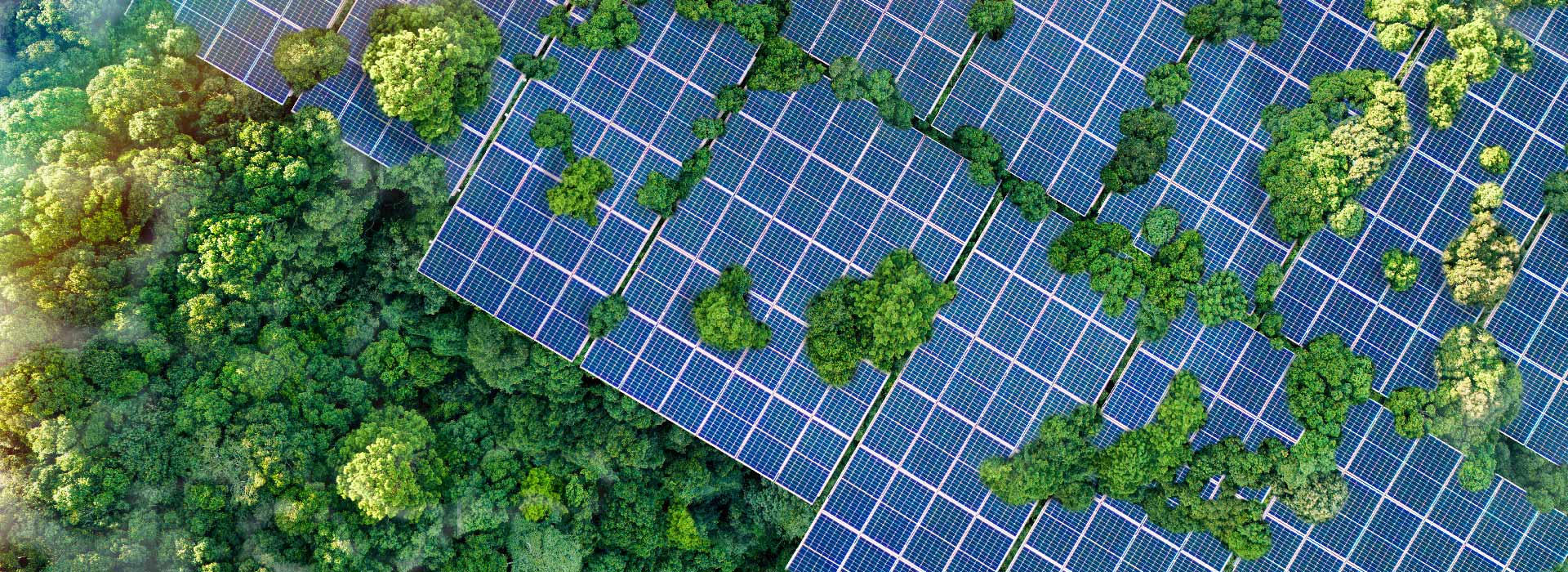
Renewable energy needs tough, reliable materials. PVB resins appear in solar panel construction, forming part of the protective laminate. These panels put up with harsh weather, hail, and constant ultraviolet exposure. PVB's flexibility and glue-like grip seal sensitive components and keep electricity flowing. Global energy production statistics show the solar industry moving to durable, weatherproof panel designs. PVB stands out as a cost-effective and field-tested option, reflecting its decades-long run in other industries.
Artists and architects love the creative freedom that PVB offers. Glass sculptures and installations often need strength without losing clarity. By bonding odd-shaped or colored glass together, PVB opens new doors in public art, modern staircases, and glass bridges. From personal projects, helping a friend with a community art piece, the thickness and flexibility let even amateur glassworkers minimize dangerous breaks.
PVB’s story isn’t just about glass. Paint manufacturers add it to toughen industrial coatings and make surfaces chip-resistant. Some flexible packaging films rely on its properties to protect food or electronics against moisture. Even printing inks and adhesives turn to PVB for its stickiness and clarity. In recent years, companies started reusing old PVB from scrapped windshields to create new products, addressing plastic waste challenges head-on and pushing more industries to consider recycled materials.
PVB resin’s track record across decades shows a material that adapts well. To handle new challenges, companies and researchers continue testing stronger blends, greener recycling methods, and ways to cut down energy use during processing. Main improvements will come by working directly with both manufacturers and recyclers to make every step, from raw resin to reused product, as safe and efficient as possible.
Polyvinyl butyral resin (PVB) plays a critical role where strength and safety matter. Anyone who has dealt with broken glass in a car accident can relate. PVB resin, sandwiched between layers of glass, keeps the shards together, making laminated glass a life-saver on the roads. Engineers rely on this because of the material’s impressive tear resistance and flexibility. Buildings, skylights, car windows — you’ll find PVB quietly doing its job to stop sharp glass from flying during impact.
In my time walking factory floors, I’ve seen how clarity in a resin can change a project. Nobody wants a windshield that yellows under harsh sun. Lab techs run PVB through ultraviolet tests, confirming its ability to stay clear year after year. Sunlight hits, but the resin holds up — glare reduces, and drivers see better. Architects can specify tall glass facades and know that clarity won’t fade quickly.
Strong adhesion means glass layers stay bound even during rough weather or a crash. I’ve watched projects grind to a halt when adhesives fail, so I appreciate PVB’s grip. It bonds tightly, whether that involves float glass on a skyscraper, toughened glass in a sunroof, or acoustic panels in an office. The resin interacts with glass on a chemical level, making separation tough. You get windows that withstand storms and doors that survive daily slamming without falling apart.
Busy roads, construction, loud neighbors—soundproofing improves quality of life. I have seen PVB resin make a clear difference for families living near highways. When layered between glass panes, this resin muffles outside rumble. Buses sound further away; conversations stay private. An engineer once explained how molecular structure in PVB absorbs vibrations, stopping noise before it travels further. Homeowners and drivers enjoy a quieter, calmer space.
From freezing winters to blazing summers, PVB handles both heat and cold without getting brittle or soft. Lab reports show how it flexes rather than cracks, even after years in harsh climates. Try prying apart a laminated window after a snowstorm or heatwave, and you’ll notice PVB still holds. This matters for transport networks, public buildings, and anywhere glass faces unpredictable weather.
Hospital managers, school caretakers, and industrial site workers all worry about cleaning products and their effects. PVB doesn’t react badly to detergents, fuels, or light acids — the resin stays stable. In places where surfaces get scrubbed every day or may come into contact with chemicals, this brings confidence. Cleaners remove graffiti or disinfect spaces without damaging the glass or the resin that holds it together.
Safety glass, energy-saving glass, even decorative pieces — PVB plays a bigger role as standards rise worldwide. As someone who has seen supply chains wrestling with tighter rules on sustainability, I know customers ask more about material sourcing and recycling. PVB can be separated from old glass and reused, cutting waste. More facilities recycle this resin now than before, making the material future-ready for less landfill and more closed-loop production.
Polyvinyl butyral, or PVB, pops up in a surprising number of everyday products. It's the stuff found between glass layers in car windshields, giving them that shatter-resistant quality. People rarely give it much thought because it just does its job in the background—keeping families safe in car accidents by holding smashed glass together. In my own experience, being able to walk away from a fender bender without finding glass everywhere matters more than knowing the chemical behind it. PVB gets high marks for that.
On the health front, PVB doesn’t come off as a major threat. The resin doesn’t leach out in a typical user setting, like inside your windshield or in laminated building glass. You can handle the finished sheets safely. Research so far hasn’t flagged PVB as a skin irritant or a risk for routine use, either. The main safety concern pops up in industrial settings, especially during manufacturing, where dust and fumes from processing the raw resin could trigger respiratory irritation if workers go without proper gear or ventilation. Making sure those on factory floors have good protection always helps.
Looking at the environmental scorecard, things get more complicated. The durability and flexibility that make PVB so useful also mean it lingers a long time after products reach their end of life. Laminated glass, for example, is tricky to recycle because of that stubborn bond with PVB film. Landfills receive huge chunks of demolition waste that include these layers.
Here’s a wake-up call: each year, millions of tons of laminated glass stack up worldwide. Most of that just sits buried, PVB resin still sandwiched between glass. In some places, recycling technology has stepped up. Machines can now separate the glass from PVB so both parts live on as new products—glass goes back into bottles or insulation, and cleaned-up PVB gets a second life in adhesives or as a plasticizer. In practice, access and cost keep these recycling programs patchy, especially outside large urban areas.
Factories making PVB have a record of sticking with established chemical processes, often relying on solvents and ingredients that pollute water if systems break down or corners get cut. Environmental authorities set strict rules to control these risks. Companies following best practices can avoid most of the major spills or leaks, though watchdogs still uncover problems from time to time. Consumers can keep an eye on which brands invest in safer, cleaner production—public pressure often pushes manufacturers to raise their standards.
Product designers and builders face a tradeoff. The safety features of PVB-laminated glass save lives and property. The flip side is the growing waste problem, which doesn’t end up on most blueprints or project proposals.
Change often starts small. Improving recycling access, backing local pilot projects for used glass, or giving preference to companies using “greener” PVB make a difference. The chase for alternatives is moving at a slower pace—bio-based PVB exists, but rarely shows up in commercial projects right now. Incentives and clear standards can shift that timeline.
On a personal level, buying from businesses with strong recycling and environmental policies chips away at the problem. At work, pushing for better specifications and questioning suppliers keeps the pressure on the industry to act responsibly.
PVB resin delivers in the safety department but leaves work to do for the planet. A bit more responsibility from producers, builders, and even the rest of us could lighten the impact and keep that sense of security alive for future generations.
Polyvinyl butyral resin, or PVB for short, shows up in applications like laminated glass, paints, and adhesives. At a glance, this powdery or granular resin doesn’t seem intimidating. Still, the way folks store and handle it can make or break a project—not to mention keeping people safe and businesses up to code.
Having worked in a midsize manufacturing plant, I’ve seen the little things make a difference. PVB doesn’t throw off any strong odor, and people sometimes overlook its risks. But ignore safety guidelines, and the consequences pile up. Bags tear, resin clumps, or worst of all, dust gets everywhere, making breathing tough and triggering cleanup headaches.
PVB starts breaking down with excess heat or direct sunlight. That breakdown wreaks havoc on quality—think clumping, discoloration, or strange smells in finished goods. I remember a batch that sat near a sunny window for a weekend. By Monday, we ended up tossing it out, hurting our bottom line.
Anyone working with this resin should favor indoor, shaded storage spaces. Warehouses with controlled temperatures, usually below 30°C, keep the resin in good shape longer. It may look inconvenient to keep it off the shop floor, but the difference in resin quality shows over time.
Moisture presents similar trouble. Even a little humidity causes the powder to stick, leading to uneven mixing or processing jams. I’ve learned to trust only bags with real seals. Once opened, any leftover resin goes into airtight containers. Skipping this step seems like a shortcut, but clumpy resin jams machinery and ruins production runs. Factories with strict rotation—older bags used first—cut down on waste and ensure nothing sits long enough to absorb too much moisture.
Nobody dreams about wearing a dust mask, but it matters with PVB, especially during transfer or weighing. The dust isn’t just an annoyance—it irritates lungs and eyes. Companies that enforce goggles, gloves, and a mask help workers avoid nagging coughs or worse. Over time, small investments in personal protective equipment pay off through fewer health complaints and lost days.
PVB dust brings another worry: fire risk. In the right conditions, a cloud of resin dust can ignite from something as simple as a static spark. Proper grounding of equipment goes hand in hand with good ventilation. Shops that take time to sweep up spills and use vacuum systems instead of air blowers keep that risk low.
Labels on every bag do more than satisfy regulations—they make inventory checks and recalls smoother. Dates, batch numbers, and supplier info let teams trace any issue. I’ve watched crews scramble during product recalls, wishing for clear, visible records when they’re under pressure. Good labels shrink problems fast.
A responsible workplace sets spill kits and fire extinguishers nearby. The best shops train people on what to do if resin leaks or a fire starts. Quick, calm action keeps a headache from turning into a crisis. Sharing stories about close calls and lessons learned beats training videos any day; experience means teammates look out for each other.
Handling polyvinyl butyral resin safely doesn’t rely on fancy technology or endless checklists. Common sense, a little discipline, and respect for the material build trust among workers and save costs in the long run. Not everyone loves sticking to rules. Still, small habits—dry storage, sealed containers, written logs, and the right protection—keep people safe and products on-spec. My time with PVB has shown that a well-handled resin leads to fewer headaches across the board, all thanks to a few simple habits.
Polyvinyl butyral resin, better known as PVB, gets a lot of attention in glass lamination for safety and durability. The story doesn’t end with windshields and skyscraper windows, though. Demands from industries keep growing, and PVB has to keep up. Every application comes with its own headaches—harsher weather, higher impact, stickier chemicals. As someone who’s seen safety films tested and retested, I know every element in the resin must be fine-tuned to fit those challenges, not just slapped in from a one-size-fits-all bucket.
Think about glazing on a city bus compared to a vinyl print. PVB for automotive glass faces road salt, sun, and temperature swings—sometimes all in a single day. By contrast, the film behind artwork must protect precious ink colors and stick to substrates without wrinkling or yellowing. Over the years, resin technologists have blended modifiers and plasticizers to dial in toughness or flexibility right where it matters. Some want more UV defense, others care more about clarity. Real world testing guides these tweaks as much as chemistry does.
No shop wants glass to crack or laminate to peel away. Manufacturers keep their reputations by digging into end-use problems and tuning resin batches accordingly. In PVB, that means balancing aldehyde ratios, blending in different plasticizers for flexibility, or adding tiny stabilizers that push out moisture. Not every tweak shows up in the microscope, but real users notice the difference between a tough windshield and a brittle one, or a flexible interlayer and one that turns rigid in winter.
This type of customization goes beyond chasing the perfect chemical formula. The way the resin reacts under pressure or sun can’t always be predicted by specs alone. I’ve watched crews at construction sites push laminated glass into place, and seen how the PVB holds up after years of hard use. Feedback from these spots often matters more than what a datasheet promises. If a batch starts clouding or stiffening, that feedback leads the next round of tweaks.
Quality and safety bring up important considerations for businesses and consumers. The world doesn’t run well on hidden trade secrets or cut corners—historic recalls in auto glass proved as much. Open talks with buyers about what’s in each PVB mix, why changes make sense, and what kind of testing backs it up builds trust. That’s what keeps manufacturers as reliable partners and helps gain certification in safety-glass or specialty markets.
Industry keeps leaning toward safer, more durable, and greener materials. There’s no reason PVB can’t evolve alongside. Some producers are already adjusting formulations to swap in bio-based plasticizers or to help with recycling. In my own work, I’ve seen testing labs push for better balance between clarity, impact resistance, and lower-waste production. Those who listen—who learn from actual field feedback—drive progress. Tuning resin for a specific need isn’t just about performance. It's about keeping ahead of changing regulations, shrinking emissions, and supporting the people who put these materials to use every day.
Polyvinyl butyral isn’t just a background player in safety or design. Its flexibility, both literal and figurative, keeps products safer, bolder, and longer-lasting. Customization isn’t about chasing the next headline; it comes from steady work, learning from each use, and a commitment to real-world improvement.
| Names | |
| Preferred IUPAC name | Poly(1,1-dimethylethylene acetal-2,2-diylvinyl alcohol) |
| Other names |
PVB
Butyraldehyde resin Butvar MOWITAL Poly(vinyl butyral) |
| Pronunciation | /ˌpɒl.iˈvɪn.ɪl ˈbjuː.tɪr.æl ˈriː.zɪn/ |
| Identifiers | |
| CAS Number | 63148-65-2 |
| Beilstein Reference | 1770526 |
| ChEBI | CHEBI:53251 |
| ChEMBL | CHEMBL1909079 |
| ChemSpider | 96715 |
| DrugBank | DB14019 |
| ECHA InfoCard | ECHA InfoCard: 100.014.307 |
| EC Number | 63148-65-2 |
| Gmelin Reference | 84976 |
| KEGG | C18253 |
| MeSH | D017239 |
| PubChem CID | 24688 |
| RTECS number | KW8296000 |
| UNII | 1FUD7900LO |
| UN number | UN1866 |
| Properties | |
| Chemical formula | (C8H14O2)n |
| Appearance | White or light yellow granular or powder |
| Odor | Odorless |
| Density | 1.08 g/cm³ |
| Solubility in water | Insoluble |
| Vapor pressure | Negligible |
| Basicity (pKb) | 9.3 (pKb) |
| Refractive index (nD) | 1.485 |
| Viscosity | 30-60 mPa·s |
| Dipole moment | 1.25–2.30 D |
| Thermochemistry | |
| Std molar entropy (S⦵298) | 689.8 J·mol⁻¹·K⁻¹ |
| Std enthalpy of formation (ΔfH⦵298) | -480 kJ/mol |
| Std enthalpy of combustion (ΔcH⦵298) | -28.8 MJ/kg |
| Pharmacology | |
| ATC code | |
| Hazards | |
| GHS labelling | GHS02, GHS07 |
| Pictograms | GHS07,GHS08 |
| Signal word | Warning |
| Hazard statements | H317: May cause an allergic skin reaction. |
| Precautionary statements | P280: Wear protective gloves/protective clothing/eye protection/face protection. |
| NFPA 704 (fire diamond) | 1-1-0 |
| Flash point | > 79.4 °C |
| Autoignition temperature | 335°C (635°F) |
| LD50 (median dose) | > 7,940 mg/kg (Rat, Oral) |
| PEL (Permissible) | 15 mg/m3 |
| REL (Recommended) | ≥ 99.0% |
| Related compounds | |
| Related compounds |
Polyvinyl alcohol
Butyraldehyde Polyvinyl acetate Ethylene-vinyl acetate Polyvinyl chloride |


